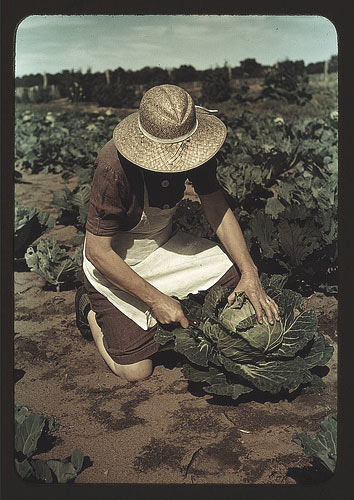
“Hunter-gatherers hunt game and collect plant foods (called foraging) rather than grow or tend crops. Hunter-gatherers is the term used by anthropologists to describe a specific kind of lifestyle, that of all human beings until the invention of agriculture about 8000 years ago.” (About.com)
Unless you “grow or tend crops” that provide almost all of your own food, you are a hunter-gatherer. The important questions for you are . . .
- where do you hunt and gather your food and . . .
- what do you find?
I’ve lived in the same place for almost 30 years but prior to settling here I bounced around like a ping-pong ball. And one of the first things I did at each of the dozen+ places I lived as a young adult was to find my local food sources. I’ve been a hunter-gatherer most of my life and I suspect you are too.
So what are your food sources? McDonald’s? Safeway? Kroger? The Saturday morning Farmers’ Market? Costco? Your neighbor’s garden? Your mom’s cupboards? The dormitory cafeteria? The cafeteria at your work? Whole Foods? Family Market? Elevated Ice Cream? Ralph’s Pretty Good Grocery? Don’s Pharmacy (which has a lunch counter)? Starbucks? Pedro’s Fiesta Jalisco Restaurant? The convenience market at the local gas station?
I decided to look back at my food sources for the past couple of weeks. The variety and abundance of my sources are stunning.
Let’s see . . .
I visited 2 friends in 2 days and each gave me food. Get a load of these beautiful gifts:
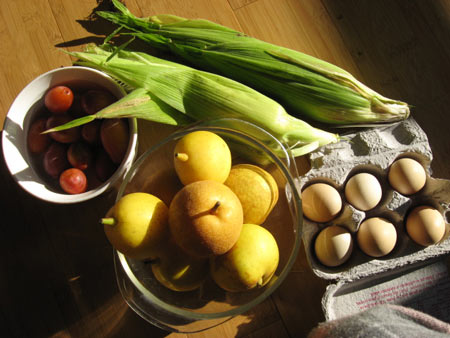
The eggs and tomatoes are teeny-tiny and were given to me by a dear woman who is, herself, teeny-tiny.
The Asian pears (two varieties) and corn (two varieties) were from a married pair of friends. He grew the corn, she tends the orchard. The pears were juicy and sweet and the corn . . . 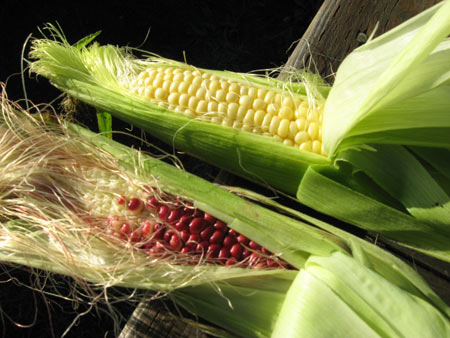
The red one was so beautiful (look at the red in the corn silk) that I shucked it . . .
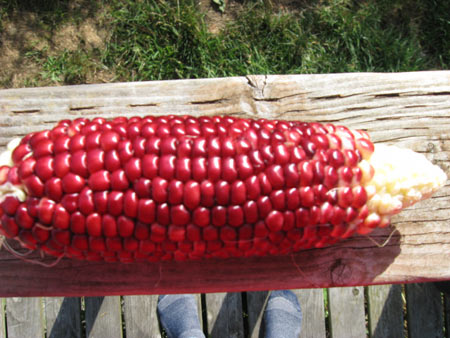
sat down in the sunshine next to my porch angel . . .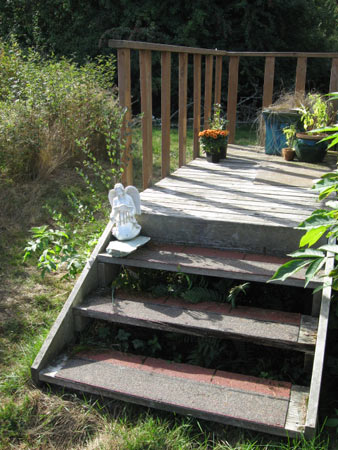
and ate it raw. 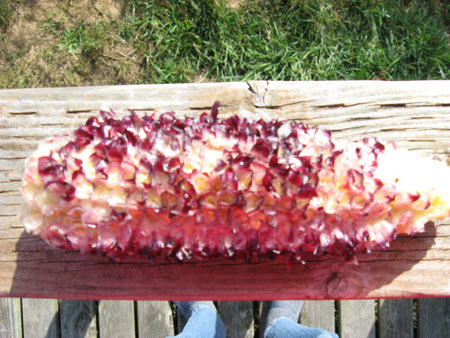 It was sweet and delicate and tender.
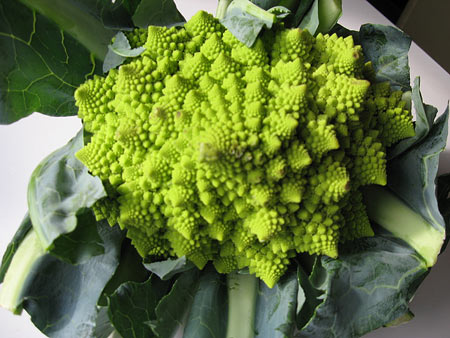
I roasted the other ear with some zucchini and the rest of the purple cauliflower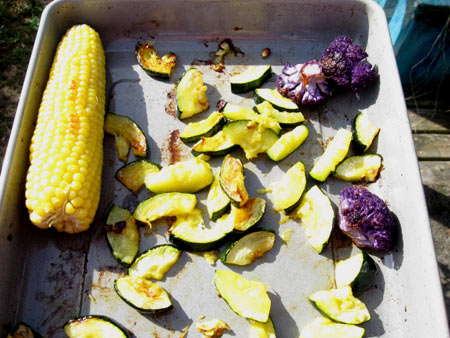
and. . . FOR THE FIRST TIME IN ALL MY VEGGIE ROASTING EXPERIMENTS I FOUND ONE THAT DIDN’T ROAST WELL. Roasting the corn after it was shucked made it tough and not so good. I have eaten this same variety roasted on the barbecue in the husks after it had been soaked in water and it was delicious.
You can try it and see what you think, but I’m going back to my Midwest family way of preparing it. Grandma put the water on to boil before Grandpa went out to pick the corn. By the time they shucked it the water (which had a pinch of sugar, not salt) was boiling. Drop the corn in. Bring the water back to a boil. Let it boil for only 3 or 4 or 5 minutes and you’re done. Take the corn out of the hot water and put it on a platter. Roll it in butter. Salt and pepper it and . . . enjoy a taste of Heaven.
But back to the point . . . looking at food sources.
I have two neighbors on the island who grow fruits and vegetables and sell them from stands. Neither is certified as an “organic” farm, but both use organic, non-chemical practices to grow their food. That, and a lot of love.
One is self-serve (put your money in the cigar box) and at the other, which is right next to their house, you get a mini-visit and some conversation. This is my haul from both a couple of days ago: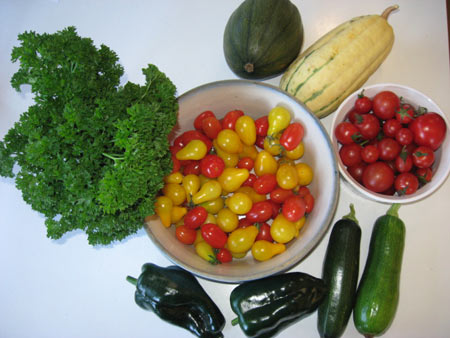 Three kinds of tomatoes or more (I’m very fond of tomatoes), mild peppers (like poblanos but I forget their names), a couple of zucchinis and a couple of small and wonderful “winter” squashes and a large bunch of parsley (I’m embarrassed to say I don’t have parsley growing at home . . . I mean I have over 3 acres . . . but that’s another story and I’m grateful I can buy very fresh and very local.)
OK . . . those are my quaint and colorful sources . . . but within the past couple of weeks I’ve also gotten food from the Port Hadlock QFC , the Nordland General Store (I go here almost every day because this is also the home of my post office where I receive my mail and daily connection to my community), the Food Co-op, Costco, Sunny Farms , World Peace Produce and at least one restaurant.
This is a lot of resources. Part of it is that I’m over-buying food right now. It’s high harvest time and I come from a family that “put up” most of their own food to last through the winter. I’m freezing and storing and years ago I was making sauerkraut with my ma and grandma and aunts at this time of year.
The other part of over-buying is that I’m feeling anxious. I”m researching and writing about food and even giving advice which I generally do not like to do, and I feel myself drifting toward a vegan diet. Yet I’m still teaching people how to make chicken soup. In fact . . . I bought two chickens on a deep sale yesterday ($.69 per pound versus the regular $1.79 per pound), put one in the freezer and will make a BIG pot of chicken soup with the other and will post about it.
This conflict will resolve itself, I’m sure. Meanwhile, I’m not sleeping as well as I usually do. Change is never comfortable. Not ever. And yet, if we don’t change and grow we are, essentially, dead. And sometimes change feels more dramatic than at other times. I’m in one of those “big shift” phases.
But about you . . . where do you get your food? Do you even think about it? (I didn’t until I wrote this post.) What about the quality of that food? How much do you prepare? How much is prepared for you? How much is real food? (Let me reiterate . . . real food does not come in a box and chemicals are not a food group.)
For the next week (or even two or three) please pay attention to your food sources. Then tell me about them in your comments. I am curious about how you experience your hunting and gathering. This is such a fundamental part of being a human and yet we usually do it on automatic pilot . . . at least I did until I started getting serious about this project to help young people feed themselves inexpensively, simply and nutritiously when they go out on their own.
Thank you for being willing to help me understand the complex relationship we have to food in this time and place.